

Neurology involves diagnosing and treating patients with disorders and diseases of the brain, spine, peripheral nerves, nervous system and muscles, and related blood vessels.
Neurosurgery involves the surgical treatment of conditions affecting the brain, spine, spinal cord, peripheral nerves and related structures. It includes both brain surgery and spinal surgery and is often required when non-surgical treatments have not provided sufficient relief, or when there is significant nerve compression, instability or tumour requiring operative intervention.
Neurological conditions may require ongoing support. Our caregivers help you understand your condition and outline how ongoing assistance can help. We work closely with you and your loved ones to identify your treatment options, including surgery and medication.
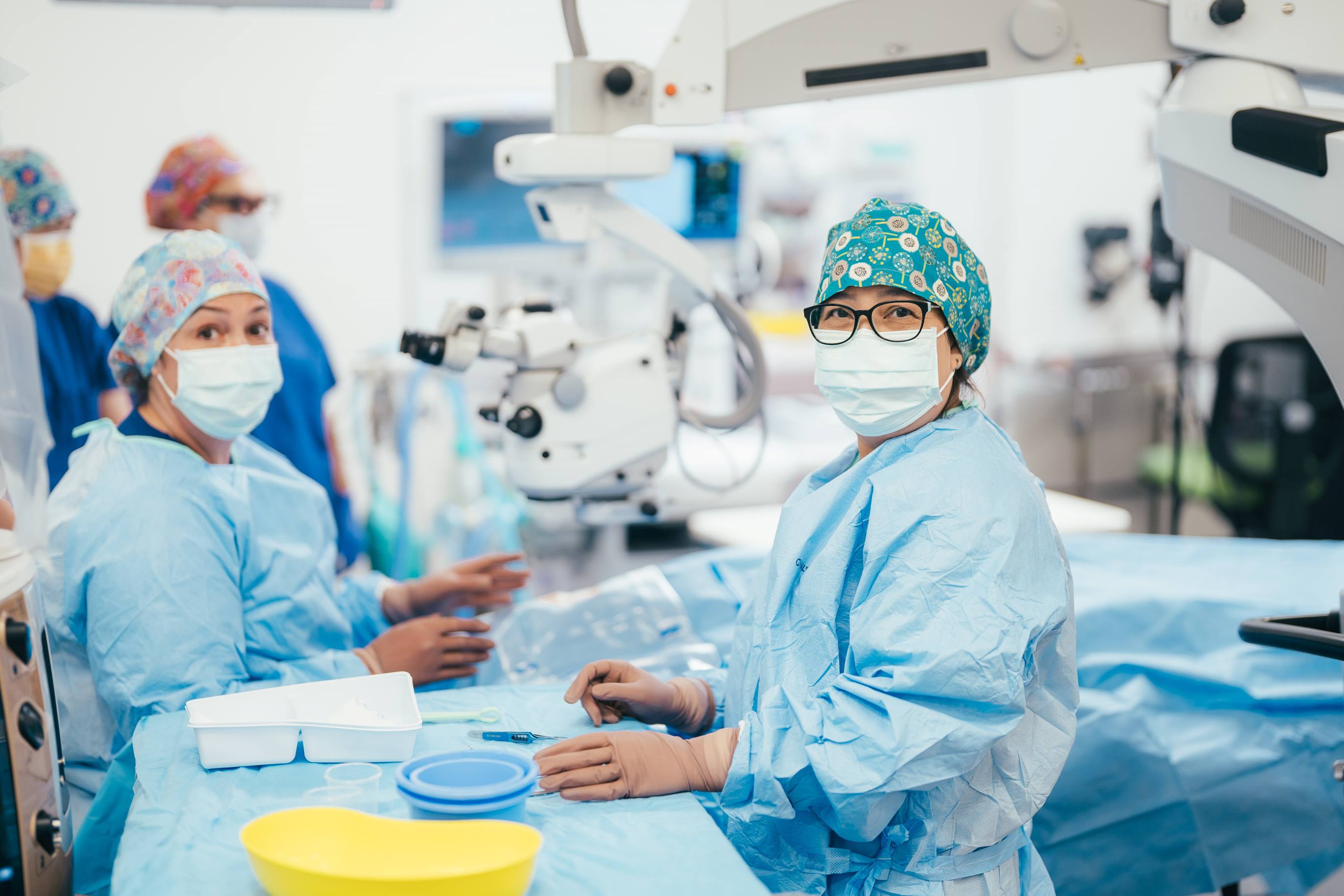
Our neurology and neurosurgery services
Our caregivers work collaboratively to ensure the best outcome for you.
Our neurologists and neurosurgeons use the latest neurological testing, diagnostic and surgical equipment to treat a wide range of conditions, including:
- epilepsy
- strokes
- aneurysms
- peripheral nerve disease
- multiple sclerosis
- headaches and migraines
- traumatic brain injuries
- spinal trauma
- brain, pituitary and spinal tumours
- degenerative disc disease and back pain
- lumbar and cervical disc herniation
- spinal stenosis
- spondylolisthesis
- sciatica and radiculopathy
- spinal cord compression and myelopathy
- carpal tunnel syndrome
- neuromuscular disorders
- Parkinson's disease
- Huntington’s disease
- Alzheimer’s disease.
Your general practitioner (GP) may refer you to one of our neurologists or neurosurgeons, or you may be referred by another specialist for a variety of reasons including:
- difficulty with coordination or balance
- weakness
- numbness or tingling
- chronic headaches or migraines
- back or neck pain
- pain, numbness or weakness radiating into the arm or leg
- bladder or bowel dysfunction
- loss of control of your speech, vision or part of your body
- tremors or seizures
- confusion or memory problems.
Remember many of these symptoms can be caused by something that is not neurological.
Find a neurologist
Neurosurgery
Neurosurgery may be needed for some, but not all, neurological conditions. Our neurosurgeons are highly qualified and have access to the latest specialist medical technology, including intra operative CT imaging equipment.
Neurosurgery encompasses both brain surgery and spinal surgery. Spinal surgery is one of the most common areas of neurosurgical practice and addresses conditions affecting the cervical, thoracic and lumbar spine, including the discs, vertebrae, spinal cord and nerve roots.
Common neurosurgical procedures include:
- microdiscectomy and lumbar decompression for disc herniation and spinal stenosis
- anterior and posterior cervical decompression and fusion for neck disc disease and myelopathy
- spinal fusion and instrumentation for instability and spondylolisthesis
- surgical resection of brain, pituitary and spinal tumours
- surgical clipping and endovascular treatment of cerebral aneurysms
- peripheral nerve decompression, including carpal tunnel release and ulnar nerve surgery.
Where possible, our neurosurgeons use minimally invasive and endoscopic surgical techniques to reduce recovery time and minimise disruption to surrounding tissues. Not all conditions require surgery, and your neurosurgeon will discuss all appropriate treatment options with you, including non-operative management where suitable.
At St John of God Health Care, we provide a high quality of care and put patients at the forefront of everything we do. We have a multidisciplinary team of highly skilled caregivers to ensure you are as comfortable as possible and informed about your diagnosis and treatment options.
Find a neurosurgeon
Recovery and rehabilitation
If you have a neurological condition, you may need a long term management plan or help to complete everyday tasks. You and your family may also need ongoing support.
We provide access to a range of rehabilitation services, including experienced physiotherapists, occupational therapists, speech pathologists and registered nurses to help you return to your daily activities.
Post-operative care
Recovery times are different for every person and depend on the specific type of brain or spinal surgery you require.
You may experience some pain after surgery. Our team of caregivers will actively monitor and manage your pain levels around the clock. They will also talk to you about your neurological condition, pain management and wound care before you return home.
Where we provide neurology and neurosurgery in Victoria
Where we provide neurology and neurosurgery in Western Australia
Costs and payment information
St John of God Health Care private hospitals provide benefits that include reduced wait times for surgery, your choice of specialist, and access to high-quality, compassionate care.
We provide a range of ways to pay for your treatment.