

Learn how to prepare for your hospital stay, including what to expect at your pre-admission appointment, how to complete your admission forms and what to bring with you.
Register your admission online with us
Please provide your relevant health information through My Admission as soon as you can to help us prepare for your stay.
You can use My Admission to securely:
- complete your admission forms
- submit your financial consent form
- make payments
- book maternity appointments and classes.
Please note, St John of God Frankston Rehabilitation Hospital does not offer online admissions. Please contact the hospital directly for admissions queries.
My Admission
Pre-admission appointment
Before you come to hospital for a planned stay you may have a pre-admission appointment where you will be contacted by phone or asked to come into the hospital.
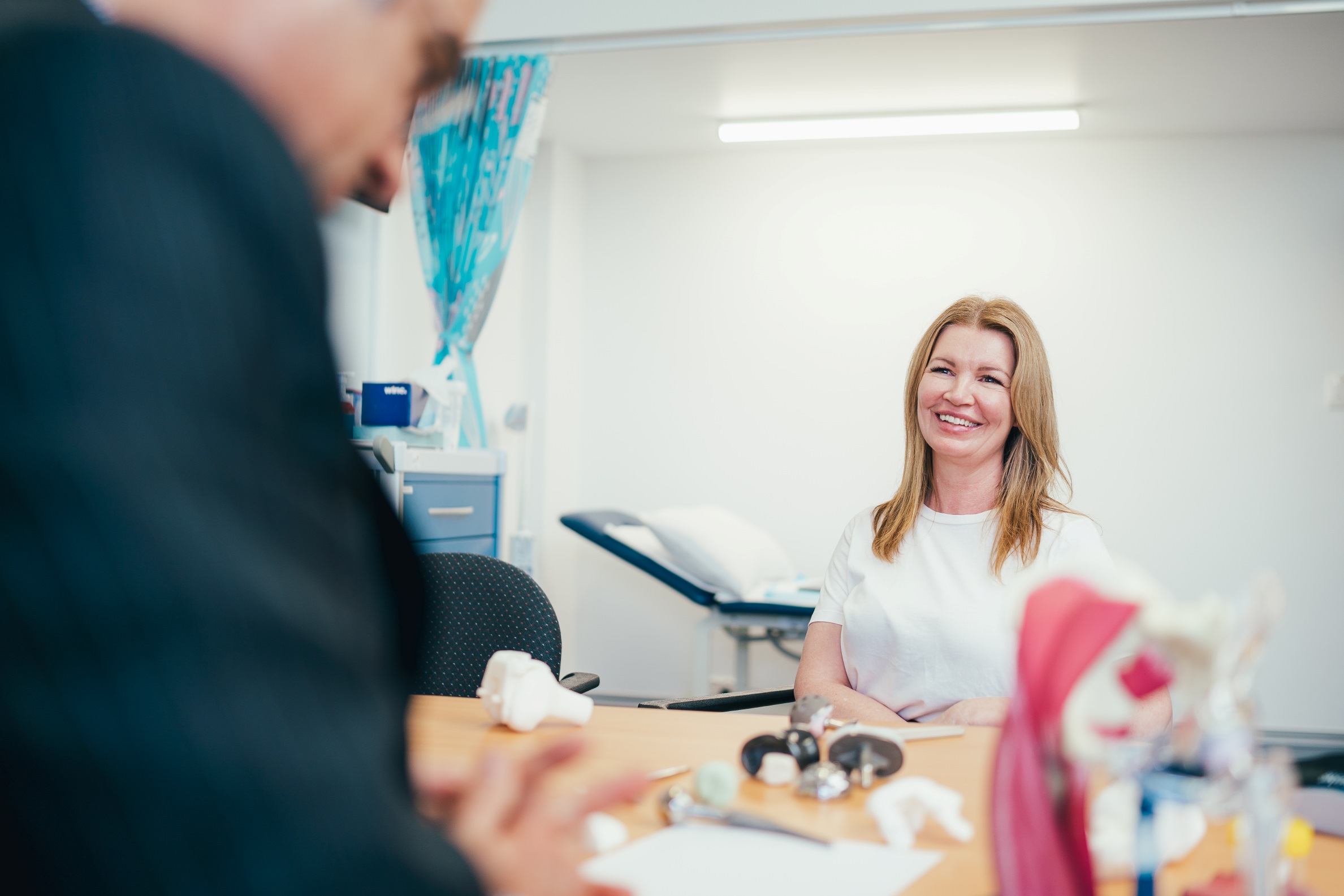
Your pre-admission appointment provides the opportunity for you to ask questions about your hospital stay, and our caregivers can ensure all necessary paperwork is completed and your relevant health information is collected.
What to bring to your pre-admission appointment
- Any questions you may have. We recommend writing these down before your appointment, so you don’t forget to ask anything important to you.
- A list of the name, strength and dose of your current medications, including natural remedies and supplements.
- Your Medicare card, and any concession cards such as the Safety Net Card and Department of Veterans’ Affairs Card.
- Your health fund details.
- The name and address of your general practitioner.
- Emergency contact details of your next of kin.
- Any x-rays or scans related to your stay.
- A list of any allergies including food, medication, latex, dyes and wound dressings.
- If your surgery or procedure is covered by Workers’ Compensation or motor injury insurance, please bring the details of your employer, and the date, time and place of your accident.
What to expect at your pre-admission appointment
Depending on your surgery or procedure, your pre-admission nurse may:
- Provide you with your surgery admission time.
- Complete a pre-admission assessment, including reviewing your patient health questionnaire.
- Provide information about your surgery.
If your pre-admission assessment is face-to face, your pre-admission nurse may:
- Measure your blood pressure, height and weight.
- Measure your blood sugar levels if you have diabetes.
- Organise or perform additional tests as required, such as an electrocardiography (ECG).
- Answer any questions you may have.
Preparing to come to hospital
Your doctor will provide you with any preparation instructions you need to follow before your surgery or procedure. This includes fasting and medication information; and any specific care, equipment or medications you may need after your procedure.
Please note that after a general or local anaesthetic, you should not drive or operate machinery for at least 24 hours following your surgery or procedure, so you may need to arrange for someone to take you home from hospital.
Smart wearable devices
To protect the privacy of patients, visitors and caregivers, smart wearable devices that can record audio, photos or video cannot be used inside St John of God Health Care facilities. If you need to use a smart wearable device for support or communication, please speak with the Admissions team before you come to hospital so we can make appropriate arrangements.
What to bring to hospital
- A list of the name, strength and dose of your current medications, including natural remedies and supplements.
- Your Medicare card and any concession cards such as the Safety Net Card and Department of Veterans’ Affairs Card.
- Your health fund details.
- The name and address of your general practitioner.
- Emergency contact details of your next of kin.
- Any x-rays or scans related to your stay.
- A list of any allergies including food, medication, latex, dyes and wound dressings.
- If your surgery or procedure is covered by Workers’ Compensation or motor injury insurance, please bring the details of your employer, and the date, time and place of your accident.
For overnight hospital stays, please also pack a small, secure bag with items such as:
- comfortable day and night clothing that is easy to put on
- well-fitting, non-slip sole, easy to put on shoes – avoiding loose thongs or slippers
- toiletries
- chargers for your electronic devices.
Please note patients are responsible for their personal belongings including mobile phones and other electronic devices, eyeglasses and dentures.
What not to bring
Please do not bring any valuables such as jewellery or large amounts of money.
-
What to expect during your hospital stay
Learn what happens when you’re admitted to a St John of God Health Care hospital as a day or overnight patient.