
Vascular surgery treats diseases affecting blood vessels (arteries and veins) throughout the body.
Vascular surgery services
Vascular diseases range from non-life-threatening conditions such as varicose veins through to more serious conditions such as aneurysms (dilated arteries prone to rupture) and blocked blood vessels which cause poor circulation.
Our experienced caregivers are here to support you from admission through to recovery and address any questions or concerns you may have about your admission.
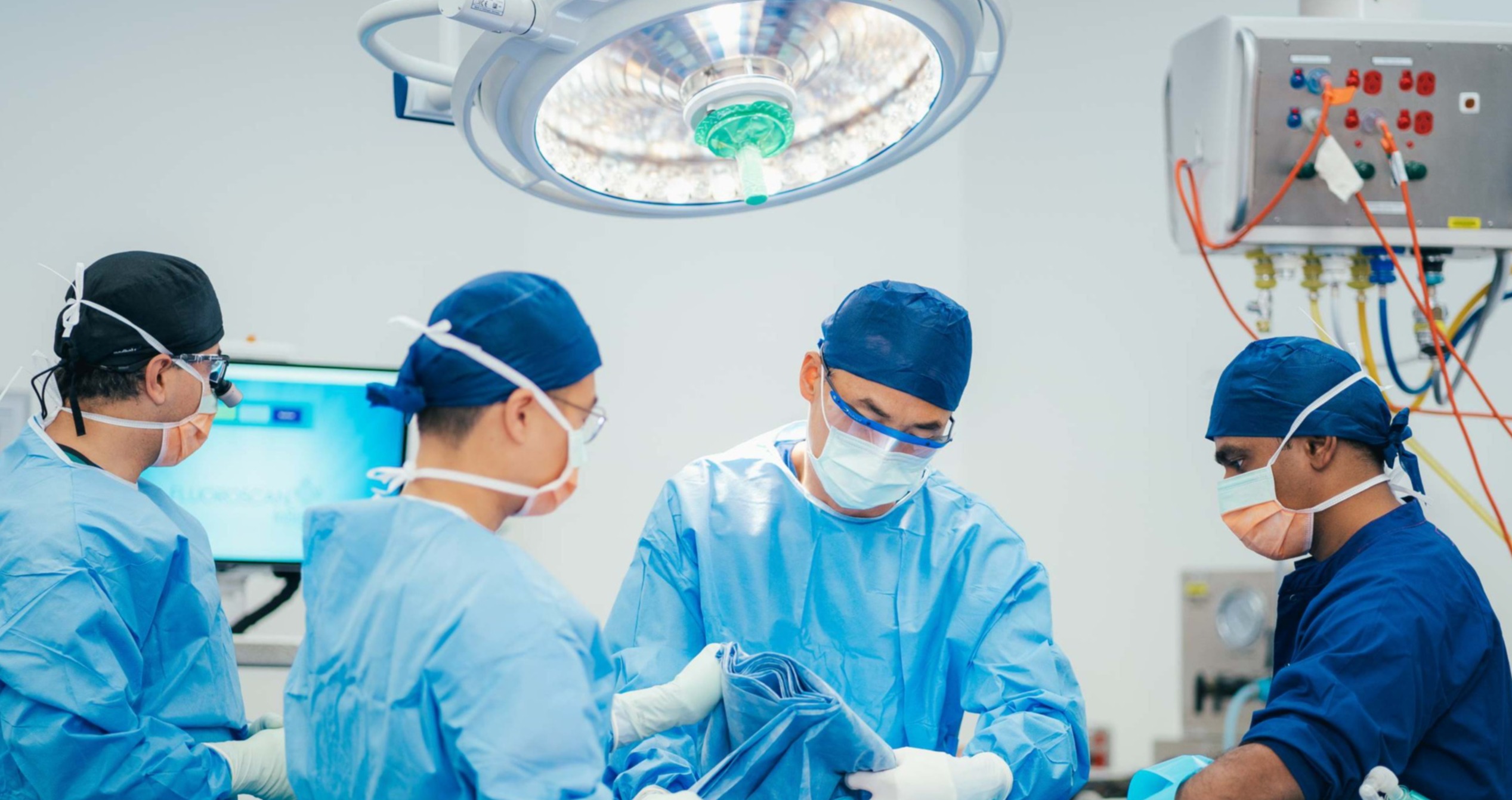
Our vascular surgeons work with our nursing caregivers, anaesthetists and other specialists as a multidisciplinary team to provide you the highest level of care.
Vascular conditions we treat
Our vascular surgeons help people with a range of conditions, including:
- poor circulation from blocked arteries which can lead to pain, ulcers and even gangrene in severe cases.
- varicose veins
- thoracic, abdominal and peripheral arterial aneurysms
- carotid artery disease which increases the risk of stroke
- hyperhidrosis (excessive sweating)
- leg ulcers
Our surgeons perform a range of procedures from vein surgery through to operations on blocked and aneurysmal arteries. You may also be treated using other minimally invasive techniques such as angioplasty and stenting. Your vascular specialist will discuss the treatment options that are available and best suitable for you.
Varicose vein treatment
Varicose veins are enlarged veins that develop when tiny valves in veins become weak or damaged, causing blood to pool in your leg veins. Pregnancy, obesity, aging, family history and prolonged periods of standing or sitting can all contribute to the condition.
Our vascular surgeons use a range of methods to treat varicose veins, including:
- Laser or radiofrequency ablation: uses thermal energy to heat, seal and close varicose veins.
- Sclerotherapy (UGFS): a minimally invasive procedure using an injectable liquid to collapse and seal shut varicose veins.
- Varicose vein ‘stripping’ surgery: a surgical procedure used to treat severe varicose veins by tying off and physically removing (stripping) damaged superficial leg veins through small incisions.
Find a vascular surgeon
Your recovery
Once your surgery is over, you’ll be transferred to a recovery room or directly to the ward for ongoing observation. We are committed to making your recovery as comfortable and as stress-free as possible.
When you are discharged by your doctors, nursing and allied health caregivers may advise you to make some lifestyle changes such as quitting smoking, changing your diet and managing your medications to ensure you have a plan for returning to optimum health.
Benefits of vascular surgery
Successful vascular surgery can result in:
- improved circulation and wound healing
- reduced levels of pain and swelling
- reduced risk of stroke
- prevention of aneurysm rupture
- reduced risk of amputation
- improved levels of mobility
- better quality of life.
You vascular surgeon will consult with you before deciding whether surgery is suitable for you and in your best interest.
Where we provide vascular surgery in Victoria
Where we provide vascular surgery in Western Australia
Costs and payment information
St John of God Health Care private hospitals provide benefits that include reduced wait times for surgery, your choice of specialist, and access to high-quality, compassionate care.
We provide a range of ways to pay for your treatment.