

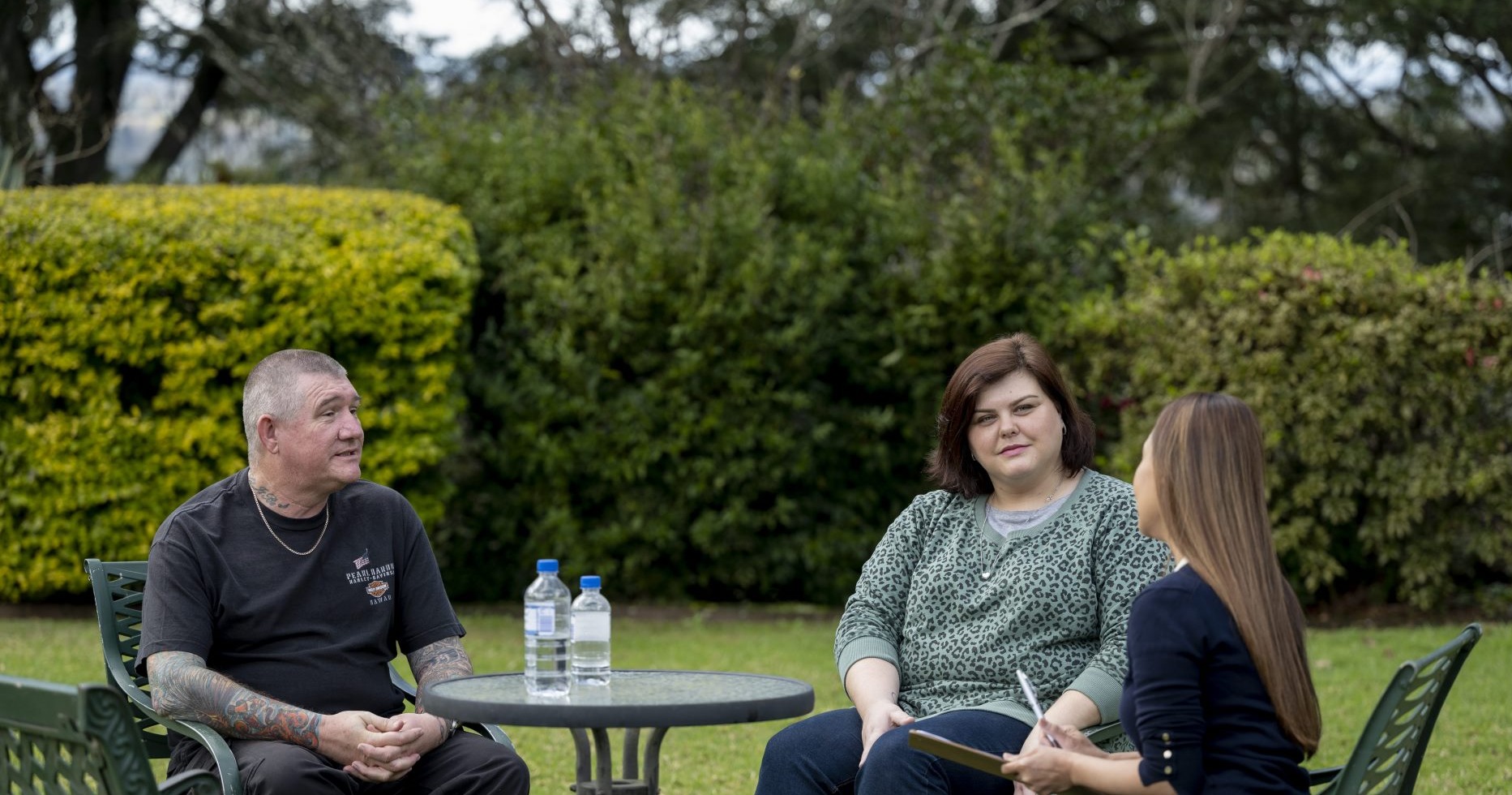
Your mental health is an important part of your overall wellbeing. Looking after your mental health can help you navigate life’s challenges, build resilience and stay connected to what matters most to you.
If you’ve been feeling that something isn’t quite right, or you’re concerned about someone close to you, you’re not alone.
Explore our mental health services and treatment options
Designed to support you as an individual and centred around your unique needs and experiences.
-
Anxiety
Feeling anxious from time to time is a normal part of life. For some people, anxiety can become more persistent or overwhelming, affecting daily life and wellbeing. We provide a range of supports to help you understand your experience and develop ways to manage anxiety. -
Depression
Depression can affect how you feel about yourself and others, making daily life harder to manage. Whether you are experiencing it or concerned about someone you care for, support and effective treatment are available. -
Drug and alcohol use
Alcohol or other drug use can sometimes become difficult to manage and begin to affect your health, relationships or daily life. We provide supportive, non-judgemental care to help you understand your patterns of use and work towards improved wellbeing. -
Perinatal and infant mental health
Pregnancy and early parenting can be a time of significant change. Experiences such as anxiety, low mood or emotional distress can affect both parents and families. We provide support to help you feel safe, understood and supported during this time. -
Post-traumatic stress disorder (PTSD)
Post-traumatic stress disorder (PTSD) can develop after experiencing or witnessing a traumatic event. It may affect how you feel, think and respond to the world around you. Support is available to help you process these experiences and build a sense of safety and stability. -
Obsessive compulsive disorder
Obsessive compulsive disorder (OCD) involves recurring thoughts and behaviours that can feel difficult to control and may impact daily life. With support, many people learn ways to better understand their experiences and develop strategies to manage and reduce their impact. -
Anger management
Strong emotions such as anger are a natural part of being human. When anger feels difficult to manage or begins to affect relationships or wellbeing, support can help you understand triggers and develop safer, more effective ways to respond. -
Borderline personality disorder
Borderline personality disorder (BPD) can affect how a person experiences emotions, relationships and their sense of self. With the right support, people can develop skills to regulate emotions, build stability and improve relationships. -
Psychosis
Psychosis is a term used to describe experiences where a person may lose some connection with reality, such as hearing or seeing things others may not. With appropriate care and support, many people are able to manage symptoms and work towards recovery. -
Bipolar disorder
Bipolar disorder involves changes in mood, energy and activity levels, including periods of high and low mood. With the right supports, many people find ways to manage these changes and maintain a balanced and meaningful life. -
Mood disorders
Mood disorders include a range of mental health experiences that affect emotional state and energy levels. These changes can impact daily functioning, but support is available to help people understand and manage these experiences. -
Older adult mental health (opens in new tab)
Mental health remains important at every stage of life. Older adults may experience challenges such as depression, grief or social isolation. Our services support wellbeing, connection and quality of life in later years.
Referral information for health professionals
We work with GPs, private psychiatrists, and other key service providers to deliver a range of treatment options for people living with mental health conditions.
Our mental health facilities and services across New South Wales, Victoria, and Western Australia include inpatient care, counselling clinics, and community-based support. All doctors who admit or consult with clients at our St John of God Health Care locations must be accredited.
Locations we provide mental health support
In the community
Community mental wellbeing services across New South Wales, Victoria and Western Australia