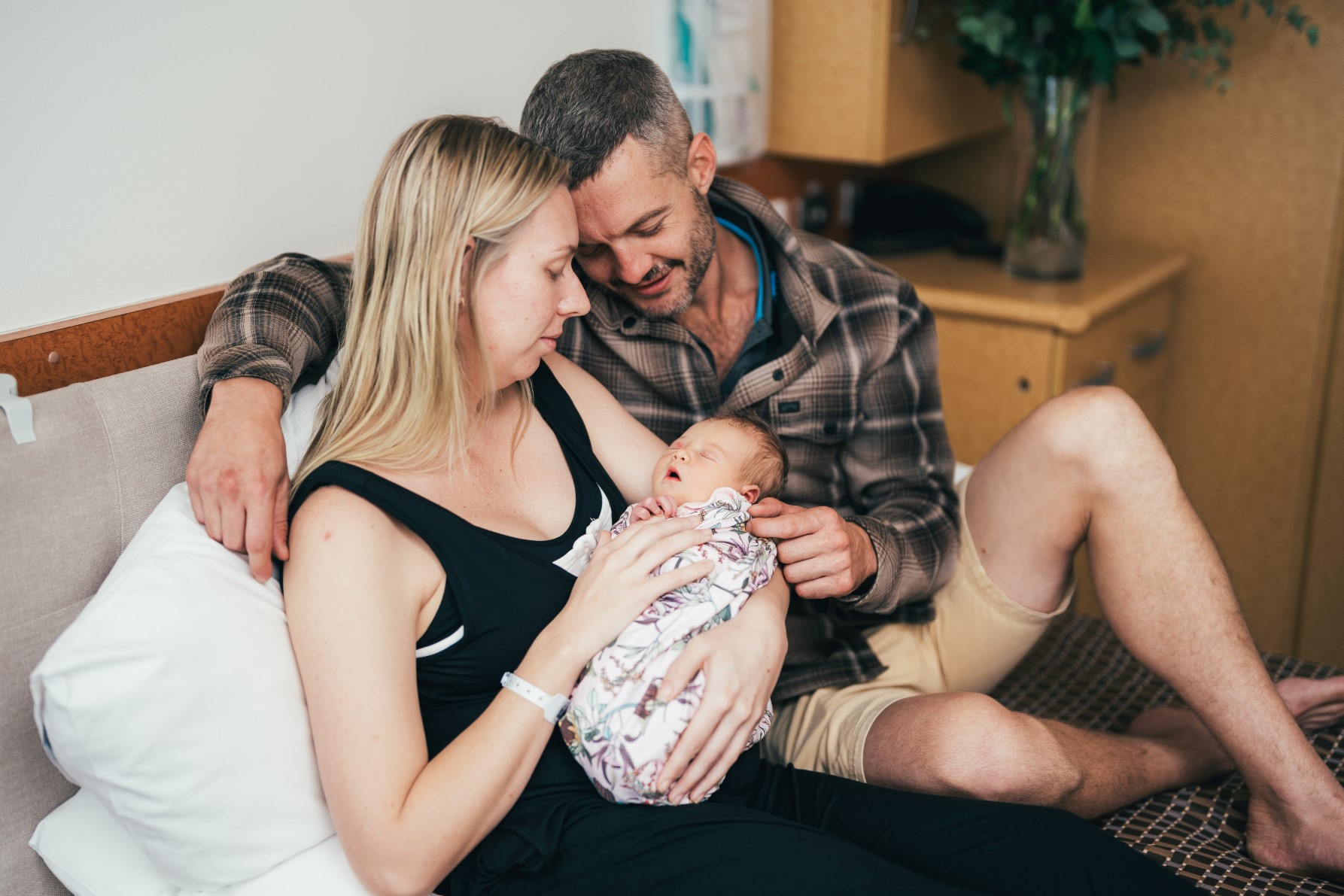
Becoming a parent, whether it’s your first child or not, involves a great deal of change in almost every area of your life.
The term ‘perinatal’ relates to the time during pregnancy, immediately after birth, or up to a year after the birth of a baby. Perinatal depression and anxiety are mental health conditions which can start at any point during this time.
Women are more likely to experience anxiety and depression during pregnancy or after childbirth than at any other point in their life - up to one in five women experience mental health symptoms during the perinatal period. There are several reasons for this which can be linked to the physical, mental and social changes which can occur at this time, along with other factors.
Men are affected by perinatal depression and anxiety too. It’s estimated that up to one in 10 new fathers experience symptoms of anxiety or depression in the first year of their baby’s life.
If you have a baby and you’ve been feeling that something isn’t right with your mental health, you’re worried about how you’re bonding with your baby or you’re worried about someone close to you, help is available.
Signs and symptoms
If you’re experiencing a perinatal mental health illness such as depression or anxiety, you might:
feel sad, irritable, worthless, anxious or generally down for more than two weeks
feel guilty or worry that you’re not being a good parent or partner
not want to see friends or family or be in certain places or situations
avoid interacting with your baby
have panic attacks or feel restless or generally on edge
feel tired or have sleeping problems which are not related to your baby’s sleep habits
not feel like doing things that you would usually enjoy
have significant changes to your weight or appetite
have trouble concentrating
be feeling overwhelmed or fearful.
Some people can experience what’s known as postnatal psychosis. This is a temporary but serious mental health episode. Others might feel out of touch with reality or act out of character.
If you're a parent, experiencing any of these symptoms can have an impact on your health, your relationships and how well you bond with your baby. Perinatal depression and anxiety is common – but with the right treatment you can find a way to feel better and enjoy your time with your baby.
What to do if you're worried about someone
Here are some tips which might help if you think someone you care about is experiencing perinatal depression or anxiety:
Talk to them. You might ask something like “I’ve noticed you haven’t been yourself lately. Is everything OK?”
Listen without judgement. The person you’re worried about might not be looking for a solution. They might just need to know that you’re there to listen or available to help and support with the baby.
Encourage them to get professional help. Perinatal mental health issues are common and there are many treatments available. A good place to start could be for them to have a chat with their GP or explore our treatment options below.
Remember, it’s possible that the person isn’t feeling ready to talk. They might be feeling self-conscious, ashamed or uncomfortable. These are all normal feelings when experiencing a mental health illness.. Let them know you’re there for them and will keep checking in on them.
Community perinatal mental health support
“The important thing is not to be afraid of asking for help.” St John of God Raphael Services provide mental health support during pregnancy and beyond.
Your treatment options
If you’re experiencing the symptoms of mental health illness such as depression or anxiety during or after pregnancy, help is available. Here are some important things to know about getting treatment for perinatal depression and anxiety:
It’s important to look for treatments which are evidence-based. You might like to start with an appointment with your GP or take a look at the treatment programs we offer through St John of God Health Care.
Through our services, a mental health professional will take the time to understand your situation. We’ll work with you to find the treatment which might work best based on your overall health, your support network and how you’re bonding with your baby.
Depending on where you live and what works for you, we can offer in-hospital programs, day and community programs and appointments with specialised psychiatrists, nurses and other health care professionals.
Your treatment might include medication, individual or group sessions or a combination of these.
If you are dealing with perinatal bereavement and loss, we have specialised services to help you through this very difficult time.
These are the programs which we offer through St John of God Health Care.
Our treatments
We offer a range of mental health treatments across New South Wales, Victoria and Western Australia. The right treatment for you will depend on a range of factors including your location, how you’re feeling and the advice of your health care professionals.
Here are some details about the treatments which might be available to you.
Depending on what you’re experiencing, you might be referred for admission in one of our inpatient treatment programs. With this type of treatment:
You will stay in one of our hospitals or inpatient facilities for one night or more.
Your stay might be planned in advance or could be the result of an unplanned illness or exposure to trauma.
You’ll receive care from our doctors, nurses, psychologists and other types of health care professionals to meet your needs.
You might need medication, care, monitoring and treatment, which can be provided by our around-the-clock clinical team.
When a doctor discharges you from your inpatient treatment, you’ll receive a plan for what happens after your stay. This might include instructions to follow up with doctors, take prescribed medication or referrals to our day programs or community services, depending on what’s right for you.
We offer a range of day programs which could help you learn how to manage trauma, perinatal mental health conditions, alcohol and drug misuse, anxiety or depression.
Our day programs are structured, group therapy sessions, tailored for the needs of your group. You could join a day program which is run once or twice a week, over a period of weeks or months.
In each session, you’ll work with our specialised therapists to learn how to build life skills, manage your symptoms and explore ways to feel better as you get back into your everyday activities. Our day programs could be part of your treatment, following a stay in hospital through our inpatient care.
Depending on your needs, you might be referred for an appointment with one of our psychiatry team. They will work with you to discuss your needs and find the best treatments to help your recovery.
We provide a range of community mental health services for young people, adults and families, including programs for perinatal mental health. Our services are provided by specialist clinicians and mental health workers.
These programs are designed to help support your recovery and stay well in the community.
The St John of God Burwood Hospital Mother and Baby Unit provide inpatient perinatal mental health services for mums to help you develop a secure bond with your baby whilst starting your own recovery journey from a mental health illness.