If you or someone close to you is in distress or immediate danger, call Triple Zero (000) as soon as possible.
If you would like to get in touch about a non-urgent enquiry, please complete our contact form.


If you or someone close to you is in distress or immediate danger, call Triple Zero (000) as soon as possible.
If you would like to get in touch about a non-urgent enquiry, please complete our contact form.
Dealing with different types of trauma and post-traumatic stress disorder (PTSD) can have a big impact on the way you see yourself, your life and the world.
PTSD is a set of reactions which can happen after a traumatic event or a series of traumatic events. It can be related to your own lived experience, witnessing an event or exposure to traumatic events if you’ve worked in services such as the military or emergency services.
If you’re experiencing PTSD, you might have:
Trauma can also trigger other mental health conditions including anxiety, depression, alcohol and drug misuse and other challenging behaviours.
Without professional help, you might try to ignore your PTSD symptoms. This could mean you avoid certain people, activities or situations and your quality of life isn’t as good as what it could be. You might isolate from your family and friends or stop doing the things you would normally love to do.
With the right treatment, you can work towards recovery and find a new way forward.
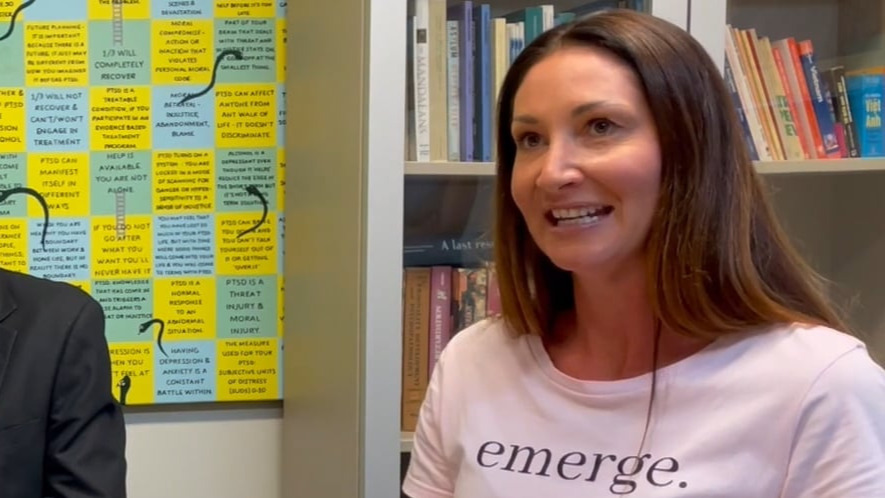
Pia, a former police officer, describes what post-traumatic stress looked like for her, and the impacts on her life and family.
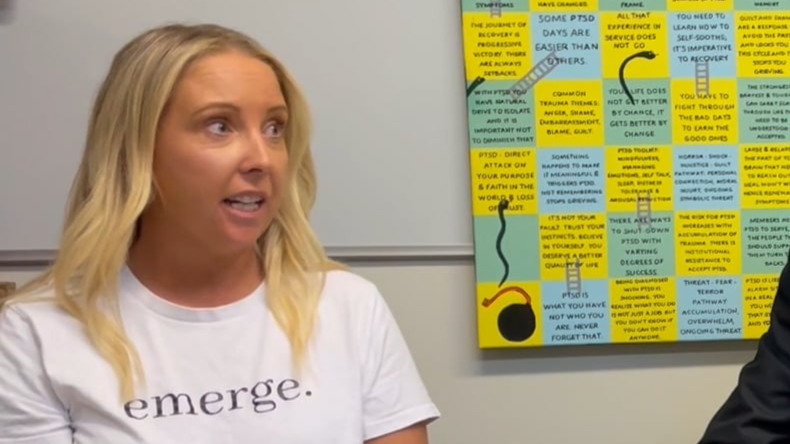
Alana, a former police officer, describes her experience of post-traumatic stress including symptoms and feelings of shame and guilt. Professor Zac Steel explains the science behind the threat response.
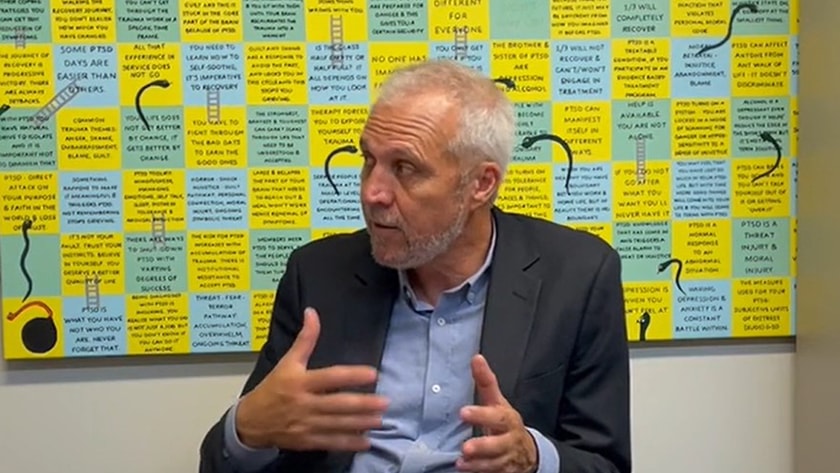
Professor Zac Steel explains what trauma is in relation to post-traumatic stress, and how it can be triggered by physical and moral threat.
If you’re not sure about getting treatment, it could be helpful to think of PTSD as an injury. Certain traumatic events can threaten or harm your mental health in the same way these events can cause physical injuries. For any serious injury to get better, you need treatment from a professional.
Here are some things to know about getting treatment for PTSD or another trauma-based condition:
Your family, friends and carers could become an important part of your treatment, supporting you through your treatment and recovery.
These are the programs which we offer through St John of God Health Care.
We offer a range of mental health treatments across New South Wales, Victoria and Western Australia. The right treatment for you will depend on a range of factors including your location, how you’re feeling and the advice of your health care professionals.
Here are some details about the treatments which might be available to you.
Community mental wellbeing services across New South Wales, Victoria and Western Australia.
It’s important to get the right treatment for your needs.
If you’re experiencing a crisis or emergency, please call Triple Zero (000) for emergency services or visit our emergency assistance page to find more crisis services.
If you’re feeling that something isn’t right but it’s not an emergency, you can take the first step by sending us an enquiry.